


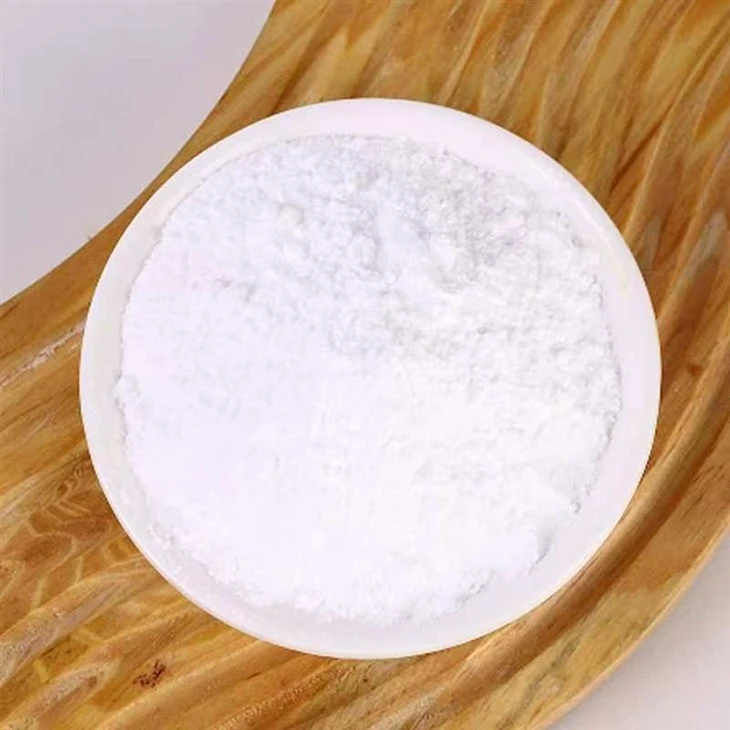
Lactitol is a bulk sugar alcohol sweetener manufactured via catalytic hydrogenation of lactose, providing a stable, low-calorie polyol with roughly 30% to 40% of the sweetness of sucrose and one-third of its caloric value. It delivers high thermal and acid resistance for demanding processing environments, alongside low hygroscopicity to maintain structural integrity and prevent caking in dry-blend and confectionery formulations.
Technical Specifications
|
Parameter |
Specification Limit |
Test / Analytical Method |
|
Assay (Dry Basis) |
98.0% – 102.0% |
HPLC |
|
Moisture Content |
≤ 0.5% (Anhydrous) / ≤ 5.5% (Monohydrate) |
Karl Fischer |
|
Melting Range |
94°C–98°C (Mono) / 144°C–152°C (Anh) |
Capillary Melting Point |
|
Reducing Sugars |
≤ 0.2% (as lactose) |
Titrimetry |
|
pH (10% Aqueous Solution) |
4.5 – 7.0 |
Potentiometry |
|
Sulfated Ash |
≤ 0.1% |
Gravimetric Ignition |
|
Heavy Metals (as Pb) |
≤ 1 ppm |
ICP-MS |
|
Total Aerobic Microbial |
≤ 1000 CFU/g |
Pharmacopoeia Plate Count |
Grade Standards
Food Grade (FCC): Formulated for general food and beverage processing, complying with purity thresholds and microbial standards.
Pharmaceutical Excipient (USP/EP): Manufactured under strict impurity controls and low heavy metal limits for solid oral dosages.
Custom Particle Size (PSD): Available in crystalline powder, fine milled, and granular formats for specific bulk density targets.
Functional Properties
Thermal & Chemical Resistance: Withstands temperatures up to 200°C and pH ranges from 2.0 to 10.0 without structural degradation.
Metabolic Profile: Low glycemic index and non-cariogenic structure protect tooth enamel and minimize blood sugar fluctuation.
Solubility & Viscosity: Dissolves at approximately 57 g/100 mL (20°C) while supplying moderate syrup viscosity without off-flavors.
Manufacturing & Quality Focus
Catalyst Removal: Multi-stage filtration completely strips trace metallic hydrogenation residues, maintaining heavy metals below 1 ppm.
Crystallization Control: Regulated cooling profiles govern crystal habit, minimizing dust generation and optimizing powder flow.
Bioburden Management: Controlled cleanroom environments maintain low microbial levels without destructive irradiation.
Target Applications
Sugar-Free Confectionery: Serves as a primary bulk sweetener in hard candies, chocolates, and gums, delivering a clean melt-in-the-mouth texture.
Bakery & Cereal Products: Acts as a moisture-retaining bulking agent in biscuits, cookies, and snack bars.
Pharmaceutical Solid Dosage: Functions as a direct compression diluent and binder for uniform tablet and capsule cores.
Nutraceutical Formulations: Operates as a low-calorie carrier in dry-mix protein powders and liquid pediatric supplements.
Testing & Quality Assurance
HPLC Purity Verification: Every production lot is analyzed via high-performance liquid chromatography to quantify assay percentages.
ICP-MS Screening: Inductively coupled plasma mass spectrometry confirms compliance with lead, arsenic, and mercury limits.
Batch Documentation: A signed Certificate of Analysis detailing physical, chemical, and microbiological metrics accompanies every shipment.
Regulatory Compliance & Documentation
Regulatory Dossiers: Complete Pharmacopoeia monographs, Food Chemicals Codex statements, and origin declarations available.
Safety Data Sheets (SDS): GHS-compliant hazard communication detailing personal protective equipment and safe handling.
Quality Frameworks: Produced in facilities operating under ISO 22000, HACCP, and GMP standards.
Traceability Logs: Real-time raw material and batch production tracking for complete supply chain transparency.
Storage Requirements
Temperature Control: Store in cool, dry warehousing between 15°C and 25°C to prevent moisture uptake.
Humidity Limits: Maintain relative humidity below $65\%$ and keep containers hermetically sealed when inactive.
Warehouse Isolation: Position on clean pallets away from walls, direct sunlight, and volatile chemicals.
Packaging & Logistics
Primary Packaging: Supplied in 25 kg multi-layer paper bags featuring an inner food-grade polyethylene moisture-barrier liner.
Bulk Containers: Available in 500 kg to 1000 kg woven polypropylene intermediate bulk container bags.
Transit Protection: Container shipments include desiccant strips and stretch-wrap to mitigate oceanic humidity fluctuations.
Minimum Order Quantity (MOQ): Standard trial and commercial batch minimums apply upon inquiry (typically 1 pallet / 500 kg for custom export or 1 bag / 25 kg for sample/pilot evaluation).
Frequently Asked Questions
Q: What is the difference between anhydrous and monohydrate grades?
A: Anhydrous lactitol contains minimal crystal water (≤ 0.5%) for moisture-sensitive dry blends, whereas monohydrate contains bound crystal water (approx. 5%) for standard processing.
Q: How does lactitol perform in high-temperature baking?
A: It maintains structural and chemical stability up to 200°C, resisting caramelization during industrial baking and extrusion.
Q: What documents ship with each commercial order?
A: Each order includes a batch-specific Certificate of Analysis, packing list, and commercial invoice.
Q: What is the standard shelf life?
A: The shelf life is 24 months from the manufacturing date when stored in unopened original packaging under recommended conditions.
Q: Can particle size be adjusted for high-speed tableting?
A: Yes, mechanical milling parameters can be adjusted to match specific compressibility and flowability requirements.
Hot Tags: lactitol, China lactitol manufacturers, suppliers, factory, CAS 107 35 7, Gellan gum powder, Guar Gum Powder, Sodium Alginate Powder CAS 9005 38 3, taurine cas 107 35 7, taurine powder cas 107-35-7


