


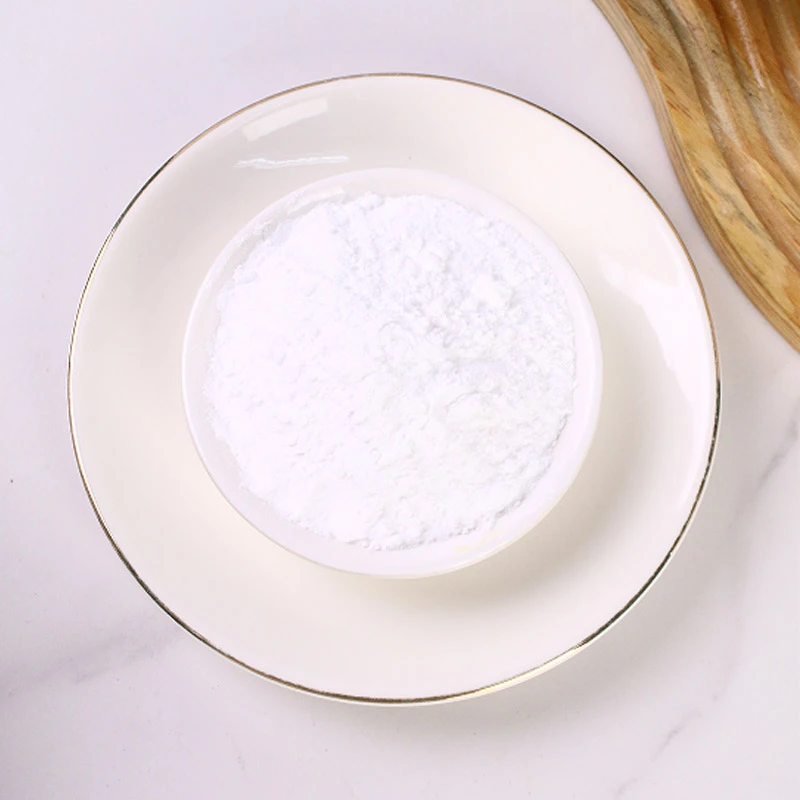
D-Mannitol is a high-purity hexahydric alcohol produced via catalytic hydrogenation of D-mannose or fructose, functioning as a non-hygroscopic crystalline powder utilized extensively across pharmaceutical formulations and specialized nutritional products. This material exhibits a clean, sweet taste profile with roughly 50 to 60 percent of sucrose sweetness, providing low caloric contribution and a cooling sensation upon dissolution in the oral cavity. Industrial batches are engineered to deliver precise particle size distribution and optimal flowability, supporting direct compression, wet granulation, and liquid formulation requirements without unexpected phase separation or moisture uptake during processing.
Key Specifications
|
Parameter |
Specification Standard |
Test & Verification Method |
|
Assay (Dried Basis) |
98.0% - 101.5% purity |
Titration & HPLC |
|
Particle Size (PSD) |
Powder: D90 < 75 um DC Grade: D50 (150 - 250 um) |
Laser Diffraction |
|
Loss on Drying |
Max 0.3% |
105°C for 4 Hours |
|
Sulfated Ash |
Max 0.1% |
Residue on Ignition |
|
Heavy Metals |
Lead < 0.5 ppm, Arsenic < 1.0 ppm |
Pharmacopoeial Limits |
Functional Properties
Low Hygroscopicity: Absorbs negligible moisture at relative humidity levels below 75 percent, preventing product hardening and extending shelf life.
Non-Cariogenic Profile: Resists oral microbial metabolism, preventing dental plaque formation in confectionery and oral care applications.
Glycemic Control: Induces minimal insulin response and exhibits a low glycemic index for diabetic and low-carbohydrate formulations.
Stability: Withstands standard food processing temperatures without caramelization and remains chemically stable across wide pH ranges.
Technical Focus & Processing Parameters
Polymorphic Control: Manufacturing parameters regulate crystal morphology, favoring the stable beta form to ensure consistent melting behavior and mechanical strength.
Flowability & Compressibility: Direct compression grades feature optimized particle morphology that enhances powder flow through high-speed rotary presses.
Microbial Load Control: Processing environments maintain total aerobic microbial count below 1000 CFU/g and total yeast/mold below 100 CFU/g.
Endotoxin Regulation: Specialized low-endotoxin tiers available for parenteral and injectable manufacturing, verified by Limulus Amebocyte Lysate (LAL) testing.
Industrial Applications
Pharmaceutical Tableting: Acts as a direct compression diluent in chewable tablets, sublingual films, and multivitamin formulations due to rapid disintegration.
Lyophilization Matrix: Serves as a bulking agent and structural cake former in freeze-dried protein therapeutics, injectables, and biological vaccines.
Confectionery: Utilized as a dusting powder for chewing gum and hard candies to prevent stickiness on packaging lines.
Nutraceutical Powders: Functions as an inert carrier and texture modifier in protein shakes, meal replacement mixes, and dietary supplement sachets.
Quality Control & Testing
In-Process Monitoring: Automated sensors track hydrogenation pressure, temperature, and catalyst separation efficiency continuously during synthesis.
Chromatographic Verification: High-Performance Liquid Chromatography (HPLC) confirms purity profiles and detects residual reducing sugars or related polyols.
Physical Testing Protocols: Laser diffraction particle size analyzers, tapped density testers, and moisture balance meters evaluate every production lot.
Traceability System: Barcode-driven inventory tracking links raw material intake records directly to final finished-lot Certificate of Analysis data.
Documentation & Compliance Support
Analytical Certification: Each shipment includes a detailed Certificate of Analysis (CoA) displaying actual batch test results for assay, moisture, and impurities.
Regulatory Dossiers: Safety Data Sheets (SDS), technical data sheets, and origin declarations are maintained and updated regularly for audits.
Quality Agreements: Custom quality agreements and notification of change protocols can be established to support long-term supply chain partnerships.
Audit Readiness: Manufacturing facilities support remote documentation reviews and on-site supplier quality audits conducted by qualified client teams.
Storage Requirements
Environmental Control: Store in tightly closed containers in a cool, dry, well-ventilated area away from direct sunlight and strong oxidizing agents.
Temperature Parameters: Maintain ambient warehouse temperatures between 15°C and 25°C with relative humidity kept strictly below 60%.
Pallet Management: Keep pallets elevated off concrete floors and stacked securely to prevent packaging damage and moisture migration.
Shelf Life: Retains specified chemical and physical stability for 36 months from the date of manufacture under recommended storage conditions.
Packaging & Logistics
Standard Packaging Units: Available in 25 kg multi-layer paper bags featuring internal polyethylene liners, alongside 500 kg and 1000 kg FIBC bulk bags.
Moisture Barrier Protection: Liners are heat-sealed to isolate the hygroscopic powder from ambient humidity changes during international transit.
Transport Optimization: Containers are loaded securely with dunnage bags and protective corner boards to prevent shifting and puncture during transit.
Customized Labeling: Exterior labels display product name, grade, lot number, net weight, manufacturing date, and expiration details per client specifications.
Frequently Asked Questions
Q: What is the difference between powder grade and direct compression grade mannitol?
A: Powder grade features a fine particle size optimized for liquid solutions and wet granulation. Direct compression grade possesses coarser, engineered granules with superior flowability designed specifically for high-speed tablet presses.
Q: Is this mannitol derived from corn or seaweed sources?
A: Production utilizes catalytic hydrogenation of plant-derived D-fructose or glucose syrup derived from corn feedstock, ensuring consistent purity and non-animal origin.
Q: Does the product contain residual nickel from the hydrogenation catalyst?
A: Catalyst removal processes ensure residual heavy metals and transition metals, including nickel, remain well below 1 ppm, complying with pharmacopoeial elemental impurity guidelines.
Q: What minimum order quantity (MOQ) applies for custom particle size specifications?
A: Custom granulation runs generally require a minimum batch volume of 1000 kg, subject to technical scheduling and raw material allocation.
Q: How can I request analytical samples for laboratory testing?
A: Qualified industrial procurement teams and formulation laboratories can submit sample requests directly through the inquiry portal to receive standard analytical quantities accompanied by full documentation.
Hot Tags: mannitol, China mannitol manufacturers, suppliers, factory, CAS 71010 52 1, CAS 9005 38 3, Gellan Gum Powder CAS 71010 52 1, Guar Gum Powder, taurine pharmaceutical grade, taurine pharmaceutical raw material


