


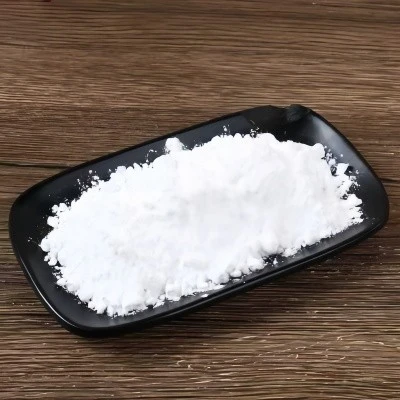
Pregnenolone API
Pregnenolone acts as a vital C21 steroid intermediate synthesized via rigorous processing, serving as the foundational precursor for downstream active pharmaceutical ingredients and steroidal compound synthesis with tightly controlled impurity profiles and batch-to-batch consistency.
Product Specification
|
Parameter |
Specification Standard |
Analytical Method |
|
CAS Number |
145-13-1 |
Literature / Reference |
|
Molecular Formula |
C21H32O2 |
Stoichiometric Calculation |
|
Molecular Weight |
316.48 g/mol |
Stoichiometric Calculation |
|
Assay (Dried Basis) |
≥ 99.0% |
High-Performance Liquid Chromatography |
|
Appearance |
White to off-white crystalline powder |
Visual Inspection |
|
Melting Point |
190°C to 193°C |
Capillary Melting Point |
|
Specific Optical Rotation |
+27.0° to +32.0° (c = 1 in chloroform) |
Polarimetry |
|
Loss on Drying |
≤ 0.5% (105°C, 3 h) |
Gravimetric Analysis |
|
Individual Impurity |
≤ 0.1% |
High-Performance Liquid Chromatography |
|
Total Impurities |
≤ 0.5% |
High-Performance Liquid Chromatography |
|
Residual Solvents |
ICH Q3C Compliant (Ethanol ≤ 5000 ppm, Toluene ≤ 890 ppm) |
Gas Chromatography |
|
Heavy Metals |
≤ 10 ppm |
Inductively Coupled Plasma Mass Spectrometry |
Chemical & Functional Profile
Steroid Core Reactivity
Contains a 3β-hydroxy group and a Δ5,6 double bond, enabling selective oxidation and isomerization during downstream hormone synthesis.
Crystallinity & Particle Size Distribution
Controlled polymorph profile prevents agglomeration, ensuring predictable dissolution kinetics and consistent stoichiometric ratios in reactor charges.
Stereochemical Integrity
Maintains precise spatial orientation at chiral centers C3, C8, C9, C10, C13, C14, and C17, preventing stereoisomeric byproduct formation in multi-step synthesis.
Product-Specific Technical Focus
Synthetic Route Control
Derived from purified sterol precursors utilizing validated degradation pathways, eliminating animal-derived contamination risks and ensuring total traceability.
Heavy Metal Mitigation
Purified via multi-stage crystallization utilizing non-chlorinated solvent systems, ensuring residual heavy metals remain strictly below 10 ppm total.
Thermal Stability
Exhibits stable decomposition thresholds up to 220°C, confirming structural robustness under standard industrial drying and reaction initiation temperatures.
Formulation & Development Considerations
Solubility Profile
Practically insoluble in water; soluble in hot ethanol, methanol, acetone, and chloroform; sparingly soluble in diethyl ether.
Reagent Compatibility
Compatible with standard oxidizing agents when converting the 3-hydroxyl group to a 3-ketone intermediate.
Hygroscopic Tendency
Displays low hygroscopicity under ambient warehouse conditions, but requires sealed moisture-barrier containment to prevent long-term environmental degradation.
Typical Applications
API Synthesis Precursor
Employed as a primary starting material for manufacturing progesterone, cortisone derivatives, and steroidal oral contraceptive intermediates.
Specialty Chemical Intermediates
Utilized in custom organic synthesis routes requiring a rigid cyclopentanoperhydrophenanthrene ring system.
Reference Standard Production
Serves as a high-purity analytical reference material for chromatographic method validation in pharmacopeial testing laboratories.
Quality Control
Analytical Instrumentation
Assayed via High-Performance Liquid Chromatography with UV detection; structural confirmation verified by Fourier-Transform Infrared Spectroscopy and Proton Nuclear Magnetic Resonance.
In-Process Monitoring
Real-time gas chromatography tracks reaction conversion rates during intermediate crystallization and solvent stripping stages.
Batch Release Criteria
Every commercial batch is quarantined until final analytical results meet internal specifications and applicable quality requirements, supported by dual-person laboratory sign-off.
Technical Documentation & Dossier Support
Comprehensive Analytical Packages
Certificates of Analysis covering registration, pilot, and commercial validation batches, alongside fully GHS-compliant Safety Data Sheets.
Process & Specification Data
Detailed Product Specifications, validated Methods of Analysis, and impurity-profile-controlled Routes of Synthesis.
Regulatory Statements
Verified BSE/TSE-Free certificates, non-GMO declarations, and allergen-free documentation.
DMF & CEP Coordination
Support for regulatory filings including Drug Master Files and Certificates of Suitability aligned with applicable international regulatory requirements.
Storage Conditions
Temperature Range
Store between 15°C and 25°C in a dry, dark, and well-ventilated quarantine or approved raw material warehouse.
Container Integrity
Keep containers tightly closed when not in use to prevent atmospheric moisture ingress and particulate contamination.
Shelf Life
Maintains chemical stability and stated assay parameters for 36 months from the date of manufacture when stored under specified conditions.
Packaging and Logistics
Primary Packaging
Double-layer food-grade low-density polyethylene bags, heat-sealed to minimize moisture exposure.
Secondary Packaging
Rigid fiber drum with tamper-evident locking ring and desiccant sachet placed between inner and outer liners.
Standard Export Unit
25 kg net weight per drum; customized 1 kg to 5 kg packaging options available for R&D evaluation scale.
Transport Protocols
Shipped under non-hazardous chemical classification via climate-monitored freight, protecting material from extreme temperature fluctuations during transit.
Frequently Asked Questions
Q: What is the minimum order quantity for commercial evaluation?
A: The standard sample size for laboratory qualification is 100 g to 1 kg, while commercial-scale minimum order quantity begins at 25 kg.
Q: Is animal-derived material used in the production process?
A: The manufacturing process utilizes plant-derived phytosterol starting materials, supporting BSE/TSE-free documentation.
Q: What analytical data is provided prior to shipment?
A: A pre-shipment Certificate of Analysis containing complete chromatographic purity data, melting point, and residual solvent values is supplied for technical review.
Q: How are custom particle size requirements handled?
A: Mechanical micronization or jet-milling can be arranged upon request to meet specific bulk density and dissolution requirements.
Hot Tags: pregnenolone, China pregnenolone manufacturers, suppliers, factory, CAS 171599 83 0, male health raw materials, testosterone enanthate raw material powder, testosterone propionate pharmaceutical ingredient, testosterone propionate powder cas 57 85 2, Vardenafil Pharmaceutical Building Block


