

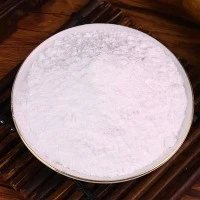
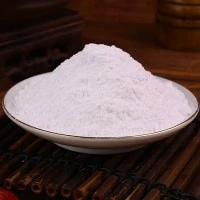
The demand for women's weight management supplements has created opportunities for dietary supplement manufacturers, ingredient distributors, and private-label brands. As product developers explore different formulations, selecting appropriate ingredients has become an important part of product development, quality management, and supply chain planning.
Female Weight Loss Raw Materials refers to ingredient materials used in developing dietary supplements and nutritional products intended for adult women's weight management. These materials may include botanical extracts, dietary fibers, protein ingredients, vitamins, minerals, and other formulation components, depending on the product's intended purpose.
For manufacturers and B2B buyers, choosing suitable raw materials involves more than comparing prices. Ingredient identity, quality specifications, scientific evidence, safety profiles, formulation compatibility, and supplier reliability all influence purchasing decisions.
This guide explores the main categories of female weight management ingredients, their potential applications, important quality considerations, and practical sourcing strategies for supplement manufacturers and ingredient buyers.
Key Types of Female Weight Loss Raw Materials
Different ingredient categories serve different purposes in dietary supplement formulations. Understanding their characteristics helps manufacturers select materials that align with product concepts, technical requirements, and target markets.
1 Botanical Extracts and Plant-Based Ingredients
Botanical extracts are used in a variety of dietary supplement formulations because they contain naturally occurring plant compounds that can be characterized and standardized.
Green tea extract is one example. Depending on its specifications, it may contain catechins and other naturally occurring compounds. Other botanical ingredients may be considered according to the intended formulation, available scientific evidence, safety data, and applicable regulations.
When sourcing botanical Female Weight Loss Raw Materials, buyers should evaluate several factors:
● Botanical identity: Confirm the scientific name, plant part, and ingredient identity.
● Extraction method: Review the extraction process and any relevant solvent information.
● Standardization: Check the specified marker compounds or active constituents, where applicable.
● Purity and safety: Assess relevant contaminant testing and ingredient-specific safety requirements.
● Formulation properties: Evaluate solubility, color, odor, taste, and compatibility with other ingredients.
Botanical extracts are not interchangeable simply because they come from plants. Different species, plant parts, extraction methods, and standardization levels can produce materials with different chemical profiles and technical properties.
Manufacturers should therefore select botanical ingredients based on documented specifications rather than relying on general claims about plant-based products.
2 Dietary Fibers and Satiety-Oriented Ingredients
Dietary fibers are another category of ingredients used in nutritional and weight management products. Depending on the specific fiber, they may contribute to normal digestive function or help increase the feeling of fullness when consumed under appropriate conditions.
Examples include certain soluble fibers and other fiber ingredients used in powders, sachets, and drink mixes.
From a formulation perspective, dietary fibers may offer several useful characteristics:
● Support the development of fiber-containing nutritional products.
● Provide options for powdered drink mixes and other oral supplement formats.
● Allow manufacturers to develop formulations with different texture and viscosity profiles.
● Offer flexibility in ingredient combinations and product positioning.
However, fibers differ significantly in their physical and functional properties. Some dissolve readily in water, while others form suspensions or produce substantial viscosity. These differences affect mixing, processing, filling, and consumer experience.
When purchasing fiber-based Female Weight Loss Raw Materials, buyers should review fiber content, moisture specifications, particle size, solubility, viscosity, sensory characteristics, and microbiological quality as appropriate.
Formulation trials are particularly important when combining fibers with proteins, botanical extracts, sweeteners, or flavoring ingredients.
3 Protein and Nutritional Ingredients
Protein ingredients may be incorporated into meal replacement products, nutritional powders, and other formulations designed to provide protein as part of an overall dietary approach to weight management.
Depending on the product concept, manufacturers may evaluate different protein sources and supporting nutritional ingredients. Selection should be based on nutritional requirements, intended use, consumer preferences, and applicable product regulations.
Important purchasing considerations include:
● Protein content and analytical methods.
● Amino acid profile, where relevant.
● Solubility and dispersibility.
● Taste, odor, and texture.
● Allergen status and cross-contact controls.
● Microbiological quality and contaminant limits.
● Stability during processing and storage.
Protein ingredients can also influence the physical properties of a finished product. For example, a protein powder designed for a beverage may require different solubility and sensory characteristics from an ingredient intended for a bar or a thicker nutritional preparation.
For this reason, buyers should communicate the intended product format and processing conditions to their suppliers before selecting a material.
4 Vitamins, Minerals, and Supporting Ingredients
Some weight management formulations contain vitamins, minerals, or other nutritional ingredients to address specific nutritional objectives.
Their inclusion should be based on the formulation's purpose, the relevant scientific evidence, and the nutritional or regulatory requirements of the destination market.
Manufacturers should avoid assuming that adding more ingredients automatically improves a product. Every component needs a clear technical or nutritional rationale, appropriate specifications, and a suitable safety assessment.
When sourcing these materials, buyers should verify ingredient identity, purity, potency, stability, and compatibility with the other components in the formulation.
They should also review permitted uses, labeling requirements, and applicable restrictions in each intended market.
5 How to Compare Different Ingredient Categories
There is no single ingredient category that is appropriate for every women's weight management supplement. The selection process should consider the product's intended use and the characteristics of each raw material.
For example, a capsule formulation may prioritize ingredient concentration, flowability, and bulk density. A powdered drink mix may require good dispersibility, acceptable taste, and appropriate moisture control.
A practical comparison should include:
● Ingredient identity and intended function.
● Scientific evidence supporting the proposed use.
● Safety profile and relevant use restrictions.
● Standardization and quality specifications.
● Compatibility with the finished dosage form.
● Manufacturing requirements and total procurement cost.
By evaluating these factors together, manufacturers can make more informed decisions about which Female Weight Loss Raw Materials are suitable for their product development projects.
Potential Benefits and Formulation Considerations
Ingredient selection influences not only the intended nutritional role of a product but also its manufacturability, stability, and overall quality.
1 Understanding Potential Ingredient Benefits
Different ingredients have different evidence profiles and mechanisms of action. Certain dietary fibers, for example, may support satiety or normal digestive function, while protein ingredients can contribute to dietary protein intake.
Some botanical ingredients have been investigated for their potential effects on aspects of energy metabolism. However, research findings vary by ingredient, preparation, dosage, study design, and population.
It is important to distinguish between evidence about an isolated ingredient and evidence demonstrating the effectiveness of a finished supplement. A study involving a particular standardized extract does not necessarily establish the same effects for every product containing that plant.
Manufacturers should therefore evaluate the quality and relevance of the available evidence before developing product claims. Weight loss, fat reduction, appetite suppression, and other specific outcomes should not be presented as guaranteed results without appropriate substantiation.
2 Selecting Ingredients for Different Dosage Forms
The intended dosage form is a major consideration when sourcing Female Weight Loss Raw Materials.
Capsules and tablets
These formats may require attention to powder flow, bulk density, compressibility, particle size, moisture content, and compatibility with excipients.
Powders and sachets
Powdered products may require good dispersibility, suitable taste, controlled moisture levels, and resistance to caking during storage.
Ready-to-mix beverages
Ingredients used in beverage applications may need appropriate solubility, suspension stability, color, flavor compatibility, and performance under the intended preparation conditions.
Meal replacement and nutritional products
These products may require careful consideration of protein content, fiber content, nutritional composition, sensory properties, and processing stability.
Supplier specifications should match the requirements of the actual formulation. A material that performs well in one application may not be suitable for another without additional processing or reformulation.
3 Formulation Compatibility and Stability
Combining several ingredients does not automatically produce a stable or effective formulation. Ingredients may interact in ways that affect taste, appearance, solubility, texture, or chemical stability.
For example, certain fibers can increase viscosity, some botanical extracts can introduce bitterness or strong colors, and moisture-sensitive materials may require additional protection during processing and storage.
Manufacturers should assess:
● Physical compatibility between ingredients.
● Stability under expected processing conditions.
● Moisture sensitivity and packaging requirements.
● Sensory characteristics of the finished formulation.
● Interactions with excipients and other functional ingredients.
● Shelf-life performance under appropriate storage conditions.
Laboratory testing and pilot-scale production can help identify potential problems before commercial manufacturing begins.
A qualified ingredient supplier should provide relevant technical information to support these evaluations.
4 Safety and Product Positioning
Safety assessment should be part of the ingredient selection process from the beginning.
For each ingredient, manufacturers should review available toxicological information, intended intake, applicable warnings, contraindications, potential interactions, and restrictions relevant to the target population and market.
Products marketed to women should not automatically be assumed suitable for every woman. Pregnancy, breastfeeding, medication use, and other individual circumstances can affect whether a particular ingredient is appropriate.
Manufacturers should also ensure that marketing claims accurately reflect the available evidence and comply with the applicable rules for dietary supplements in each destination market.
A clear product concept, supported by appropriate ingredient documentation and quality controls, is a stronger foundation for long-term product development than unsupported performance claims.
Quality Standards for Female Weight Loss Raw Materials
Quality is one of the most important considerations for manufacturers purchasing dietary supplement ingredients. Even when two materials have similar names, differences in identity, purity, standardization, and production processes can affect their suitability.
1 Essential Quality Specifications
Before purchasing Female Weight Loss Raw Materials, buyers should request a product specification sheet and identify the parameters that are critical to their application.
Depending on the ingredient, relevant specifications may include:
Identity and composition
● Ingredient name and grade.
● Botanical species and plant part, where applicable.
● Assay or marker-compound content.
● Standardization level, where applicable.
● Ingredient composition and declared purity.
Physical and chemical properties
● Appearance, color, and odor.
● Moisture or loss on drying.
● Particle size and bulk density, where relevant.
● Solubility or dispersibility, where relevant.
● pH or other ingredient-specific parameters.
Contaminant and microbiological controls
● Heavy metals.
● Relevant pesticide residues.
● Residual solvents, where applicable.
● Microbiological limits.
● Mycotoxins or other contaminants when relevant to the ingredient and its source.
Not every parameter applies to every raw material. Testing requirements should be determined by the ingredient's characteristics, its intended use, applicable regulations, and a documented risk assessment.
2 Key Documents Buyers Should Request
Reliable documentation helps buyers verify that a material meets agreed specifications.
The following documents are commonly useful during supplier evaluation:
Certificate of Analysis (COA)
A COA reports test results for a particular batch against specified quality parameters. Buyers should confirm that the document corresponds to the supplied lot and that the reported methods and results are appropriate for the ingredient.
Technical Data Sheet (TDS)
A TDS describes the ingredient's technical characteristics, typical properties, and recommended handling or application information, depending on the supplier's documentation practices.
Safety Data Sheet (SDS)
An SDS provides relevant hazard, handling, storage, and safety information where required or applicable.
Additional quality and compliance documents
Depending on the material and market, buyers may also request allergen declarations, GMO statements, origin information, traceability records, relevant certifications, and additional analytical reports.
Documents should be reviewed rather than collected only for administrative purposes. Buyers need to confirm that the information is consistent with the product specification, the intended application, and the applicable purchasing requirements.
3 Manufacturing Practices and Quality Assurance
Supplier qualification should include an assessment of the manufacturer's quality management system and production controls.
Relevant considerations may include:
● Applicable Good Manufacturing Practices (GMP).
● Raw material inspection and supplier approval procedures.
● In-process quality controls.
● Finished-batch testing and release criteria.
● Equipment cleaning and contamination prevention.
● Traceability and batch identification.
● Change-control procedures.
● Complaint investigation and corrective actions.
Where certifications are claimed, buyers should verify their validity, scope, issuing organization, and relevance to the actual manufacturing site and product category.
A certificate alone does not replace the need for appropriate product testing and supplier evaluation.
4 How to Evaluate Supplier Reliability
Supplier reliability involves more than a competitive quotation. Manufacturers should consider whether the supplier can consistently deliver materials that meet the agreed requirements.
Key evaluation criteria include:
● Technical expertise in the relevant ingredient category.
● Consistency of specifications between batches.
● Transparency of manufacturing and sourcing information.
● Responsiveness to technical questions.
● Availability of representative samples.
● Production capacity and realistic lead times.
● Document control and change notifications.
● Ability to support traceability and quality investigations.
For long-term procurement, buyers should establish clear acceptance criteria and procedures for handling nonconforming materials.
These measures help reduce quality risks and support a more predictable supply chain.
Sourcing Guide for Female Weight Loss Raw Materials
A structured sourcing process helps supplement manufacturers compare suppliers, verify material suitability, and manage purchasing costs.
1 Define Your Product and Purchasing Requirements
Before contacting suppliers, buyers should prepare a clear ingredient requirement. This should include the ingredient name, intended application, target specifications, required documentation, estimated purchasing volume, packaging preferences, and destination market.
For botanical extracts, requirements may also include the scientific name, plant part, extraction information, and standardized marker compounds.
For fibers and proteins, buyers may prioritize functional properties such as solubility, viscosity, protein content, particle size, or sensory characteristics.
Clear specifications make supplier quotations easier to compare and reduce the risk of purchasing materials that do not meet the formulation's needs.
2 Request Samples and Conduct Product Evaluation
Samples allow manufacturers to evaluate a raw material before committing to a larger order.
A practical sample evaluation process includes:
● Request a representative sample with its corresponding product specifications.
● Review the available COA and other relevant documentation.
● Verify identity and critical quality attributes using appropriate testing.
● Evaluate physical properties and compatibility with the intended formulation.
● Conduct laboratory trials or pilot production where appropriate.
● Document the results and establish acceptance criteria before bulk purchasing.
Sample approval should not be based on appearance alone. A material that looks acceptable may still fail to meet requirements for identity, composition, purity, or safety.
For repeat purchases, buyers should also consider how the approved sample relates to future production batches and how batch consistency will be monitored.
3 Compare Pricing, MOQ, and Supply Capacity
Price is an important purchasing factor, but quotations should be compared using equivalent specifications and commercial conditions.
Buyers should evaluate:
● Unit price and minimum order quantity (MOQ).
● Packaging options and storage requirements.
● Production lead time and shipping schedule.
● Payment terms and delivery conditions.
● Testing, certification, or documentation costs.
● Sample availability and technical support.
● Supply continuity and production capacity.
The lowest quoted price may not represent the lowest total procurement cost if additional testing, unsuitable packaging, inconsistent quality, or extended lead times create extra expenses.
For ongoing manufacturing programs, buyers should also consider demand forecasts, inventory planning, and the availability of alternative qualified suppliers.
4 Customization and OEM/ODM Requirements
Some suppliers offer customization options for raw materials, while others focus on standardized products. Buyers should confirm the scope of services available before beginning a project.
Depending on the ingredient and manufacturing capabilities, potential customization areas may include:
● Specification parameters and standardization levels.
● Particle size or powder characteristics.
● Packaging materials and package sizes.
● Batch quantities and order planning.
● Documentation and testing requirements.
If a project also requires finished supplement manufacturing, buyers should clarify whether the supplier provides OEM/ODM services or only supplies raw ingredients.
Customization must remain technically feasible and compliant with the requirements of the target market. Changes to an ingredient's specifications may require additional validation, testing, or regulatory review.
5 Build a Reliable Long-Term Supply Relationship
Successful sourcing continues after the first purchase. Manufacturers should establish clear procedures for incoming inspection, batch approval, storage, inventory management, and supplier performance review.
Long-term supply agreements may also address forecast quantities, lead times, specification changes, complaint handling, and documentation updates.
For ingredients that are critical to production, maintaining an appropriate inventory buffer or qualifying an alternative supplier may help reduce the impact of unexpected supply interruptions.
Regular communication between purchasing, quality assurance, research and development, and suppliers can improve planning and make it easier to resolve technical issues.
Frequently Asked Questions About Female Weight Loss Raw Materials
Conclusion
Selecting suitable Female Weight Loss Raw Materials requires a balanced assessment of ingredient characteristics, scientific evidence, formulation requirements, quality standards, and supplier capabilities.
Botanical extracts, dietary fibers, protein ingredients, and supporting nutritional components may all have roles in specific weight management formulations. However, their suitability depends on the intended product, available evidence, safety profile, and regulatory requirements of the target market.
For B2B buyers, an effective sourcing process begins with clear specifications, continues through sample evaluation and supplier qualification, and extends to batch verification and long-term supply management.
By reviewing COAs, technical documentation, testing procedures, manufacturing controls, MOQ, and delivery capabilities, supplement manufacturers and ingredient distributors can make more informed procurement decisions.
If you are sourcing Female Weight Loss Raw Materials for a new formulation or an existing supplement production program, request detailed specifications, relevant quality documentation, representative samples, and a quotation based on your application and purchasing requirements. A qualified supplier with transparent documentation and consistent quality controls can help support a more reliable ingredient sourcing process.