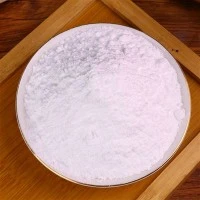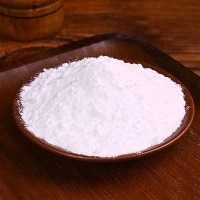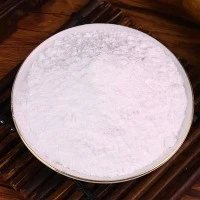
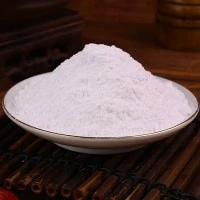
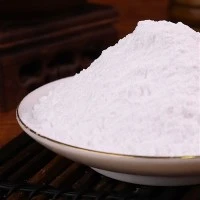
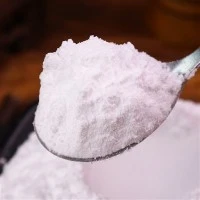
L-Carnitine (CAS No. 541-15-1), also known as levocarnitine, L-carnitine, or Vitamin BT, has the molecular formula C7H15NO3. Its chemical name is (R)-3-carboxy-2-hydroxy-N,N,N-trimethylpropan-1-aminium hydroxide inner salt. Levocarnitine is a representative pharmaceutical form of this compound.
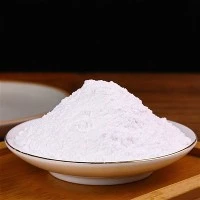
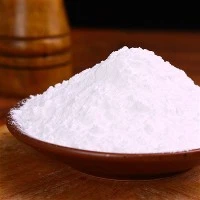
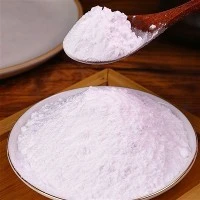
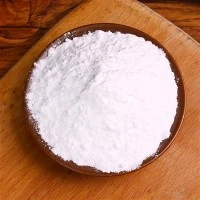
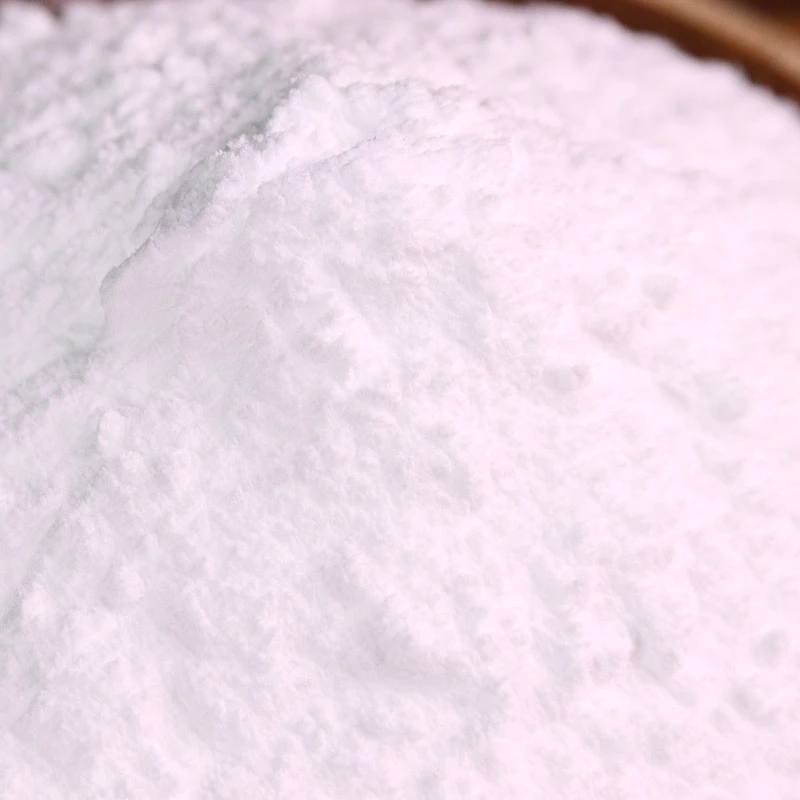
L-Carnitine is an amino acid-like compound that facilitates the conversion of fatty acids into energy. In its pure form, it appears as white crystals or a fine, translucent white powder. It is highly soluble in water, ethanol, and methanol; slightly soluble in acetone; and insoluble in diethyl ether, benzene, chloroform, and ethyl acetate.
L-Carnitine is highly hygroscopic and exhibits excellent water solubility and moisture absorption properties. It can withstand temperatures exceeding 200°C. It has no toxic or adverse effects on the human body when used appropriately. Red meat is the primary dietary source of L-Carnitine, although the human body can also synthesize sufficient quantities to meet normal physiological requirements. It is not a vitamin in the strict sense but rather a vitamin-like substance.
L-Carnitine has various physiological functions, including promoting fatty acid oxidation, supporting fat metabolism, and helping alleviate fatigue. As a food additive, it is widely used in infant and toddler foods, weight-management products, sports nutrition products, nutritional supplements for middle-aged and elderly populations, nutritional fortification products for vegetarians, and animal feed additives.
Physical Properties
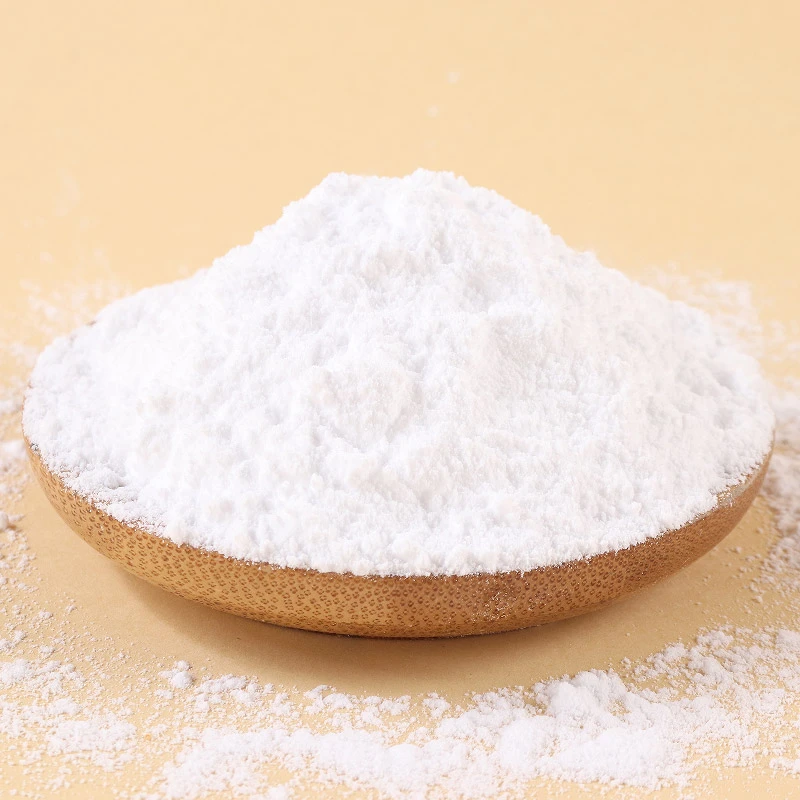
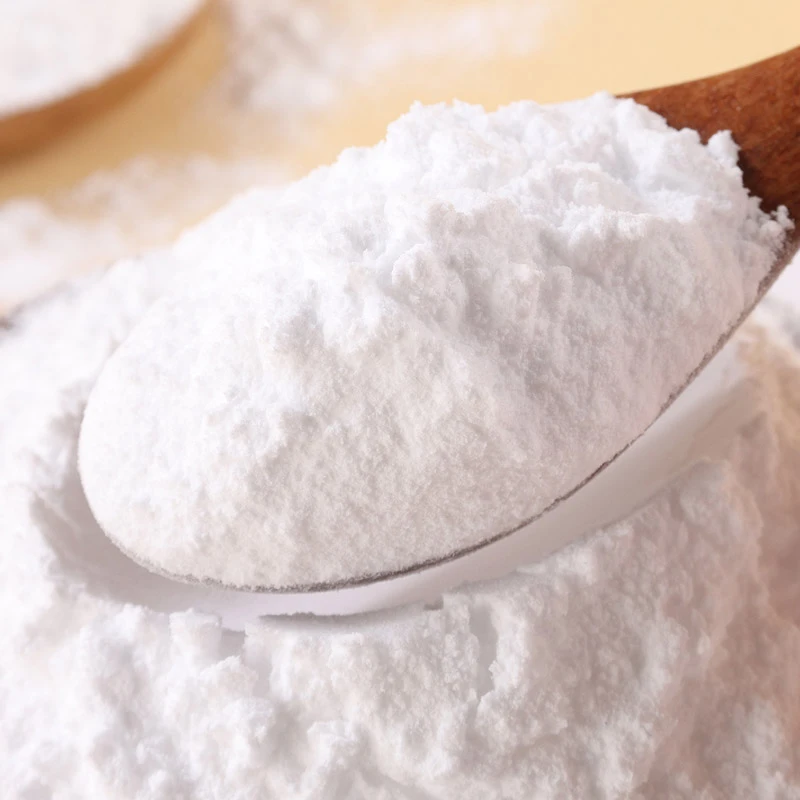
L-Carnitine appears as white crystals or a fine, translucent white powder with a slight characteristic fishy odor. It is highly soluble in water, ethanol, and methanol; slightly soluble in acetone; and insoluble in diethyl ether, benzene, chloroform, and ethyl acetate.
It is highly hygroscopic and may absorb moisture from the atmosphere, resulting in caking, deliquescence, or even liquefaction upon prolonged exposure to air. It can remain stable in solutions with a pH of 3–6 for more than 1 year and can withstand temperatures exceeding 200°C. Its molecular structure and functional groups contribute to its excellent water solubility and moisture absorption properties.
Product Description and Specifications
L-Carnitine is a zwitterionic compound. At neutral pH, it exists predominantly in its zwitterionic form, which provides relatively good stability.
Unlike conventional amino acids, L-Carnitine does not contain a primary amino group. Instead, it possesses a permanently positively charged quaternary ammonium group that is independent of pH conditions. Its chelation reactions can occur through the carboxyl group, potentially forming four-membered rings, or through both the hydroxyl and carboxyl groups, potentially forming six-membered rings.
Consequently, L-Carnitine can form various stable complexes with numerous metal ions, including copper, zinc, manganese, magnesium, and calcium.
Due to its strong hygroscopicity and tendency to cake at room temperature, L-Carnitine is commonly converted into less hygroscopic salt forms to facilitate storage, transportation, packaging, and handling. Examples include calcium and magnesium salts of L-carnitine tartrate, L-carnitine fumarate, and acetyl-L-carnitine galactonate. L-carnitine orotate has also been investigated as an alternative derivative to improve product stability and handling characteristics.
Product Specifications:
|
Parameter |
Description |
|
English Name |
L-Carnitine; L-CN; (R)-3-Carboxy-2-hydroxy-N,N,N-trimethyl-1-propanaminium inner salt |
|
Synonyms |
Levocarnitine; L-Carnitine; Vitamin BT; L-form Carnitine; L-β-Hydroxy-γ-trimethylammonium butyrate; (R)-3-carboxy-2-hydroxy-N,N,N-trimethylpropan-1-aminium inner salt |
|
Molecular Formula |
C7H15NO3 |
|
Molecular Weight |
161.20 (based on the 2011 International Relative Atomic Masses) |
|
CAS Number |
541-15-1 |
|
Melting Point |
197 to 212 ℃ |
|
Boiling Point |
287.5 ℃ |
|
Water Solubility |
250 g/100 g [4] |
|
Density |
0.64 g/cm³ |
|
Appearance |
White crystalline material or crystalline powder with a slight fishy odor |
|
Applications |
Widely used as a food additive in infant and toddler foods, weight-management products, sports nutrition products, nutritional supplements for middle-aged and elderly populations, nutritional fortification products for vegetarians, and animal feed additives. |
Chemical Properties
L-Carnitine is a zwitterionic compound that exhibits relatively good stability in its zwitterionic form at neutral pH.
Unlike conventional amino acids, L-Carnitine does not contain an amino group but instead features a permanently positively charged quaternary ammonium group, which is not affected by changes in pH.
Its metal-binding interactions can occur through the carboxyl group, potentially forming four-membered chelate rings, or through the combined participation of the hydroxyl and carboxyl groups, potentially forming six-membered chelate rings. This enables L-Carnitine to form a variety of stable complexes with metal ions, including copper, zinc, manganese, magnesium, and calcium.
However, due to its strong hygroscopicity and tendency to form lumps under ambient conditions, L-Carnitine is generally processed into less hygroscopic salt forms to improve its physical stability and facilitate storage, transportation, and packaging.
Common derivatives and forms include:
Calcium and magnesium salts of L-carnitine tartrate.
Calcium and magnesium salts of L-carnitine fumarate.
Calcium and magnesium salts of acetyl-L-carnitine galactonate.
L-Carnitine orotate, which has also been investigated as an alternative derivative.
These modified forms are intended to improve moisture resistance, storage stability, and ease of handling during commercial applications.
Main Product Functions
Nutritional Supplementation
L-Carnitine is an important nutritional supplement for middle-aged and elderly populations. The myocardium relies heavily on fatty acid oxidation to meet its energy requirements. As an essential participant in myocardial energy metabolism, L-Carnitine supports cardiac energy production and may help improve myocardial function and cardiac output, thereby contributing to cardiovascular health.
As people age, endogenous L-Carnitine levels may gradually decline, potentially affecting myocardial cell activity and energy metabolism. Supplementation may therefore help support normal myocardial energy metabolism.
Individuals with diabetes or impaired renal function may experience increased urinary losses of L-Carnitine, resulting in higher requirements. In certain cases, endogenous synthesis may be insufficient to compensate for these losses, potentially increasing the risk of L-Carnitine deficiency and creating a need for long-term supplementation under appropriate professional guidance.
The liver is a major organ responsible for lipid and fatty acid metabolism. In addition to excessive dietary fat intake, insufficient L-Carnitine availability or inadequate methyl-group supply may impair long-chain fatty acid oxidation, potentially contributing to excessive lipid accumulation in the liver and the development of fatty liver.
L-Carnitine also participates in the metabolism and elimination of certain metabolic by-products. By facilitating fatty acid oxidation for energy production, it may help reduce reliance on anaerobic glycolysis of muscle glycogen and limit lactate production during exercise. It also participates in the metabolism and transport of branched-chain acyl groups, contributes to the removal of exercise-related metabolic intermediates, and is involved in free radical scavenging and the urea cycle.
Application Areas
Infant and Toddler Nutrition
L-Carnitine plays an important role in maintaining infant physiological functions and supporting certain aspects of early growth and development.
Adults can generally synthesize sufficient L-Carnitine to maintain normal metabolic requirements. However, infants have a relatively limited capacity for endogenous L-Carnitine synthesis, estimated at only 12–15% of the adult level. This is particularly relevant for premature infants, whose endogenous synthesis capacity may be insufficient to meet normal metabolic demands.
Infants experience rapid growth and development, resulting in increasing L-Carnitine requirements. Consequently, L-Carnitine is considered a conditionally essential nutrient during infancy, and appropriate dietary supplementation may help support normal growth and development.
Breast milk contains relatively high levels of L-Carnitine and is the primary source of this nutrient for breastfed infants. Under normal circumstances, breast milk generally provides sufficient L-Carnitine to meet infant physiological requirements.
However, due to changing social and environmental circumstances, some mothers may be unable to provide sufficient breast milk because of inadequate lactation, employment commitments, or other factors. In such cases, commercially available infant formula is commonly used as an alternative.
Infant formula products can generally be classified into four main categories:
Cow's milk-based infant formula.
Cow's milk and whey protein-based infant formula.
Soy-based infant formula.
Formula based on protein hydrolysates.
The first two categories generally contain relatively higher levels of L-Carnitine, whereas the third and fourth categories typically contain substantially lower levels than human breast milk.
Numerous studies have demonstrated that L-Carnitine deficiency may lead to elevated blood lipid levels and adversely affect fatty acid oxidation and nitrogen metabolism in infants.
After birth, fat temporarily becomes the primary energy source for infants. L-Carnitine plays an important role in fatty acid transport and metabolism, as well as protein metabolism, and participates in several key physiological processes essential for infant survival and development.
Although definitive research conclusions have not yet been established regarding all potential consequences of L-Carnitine deficiency, attention should be paid to its possible adverse effects on infant health, including potential pathological changes.
For infants who cannot be adequately breastfed and low-birth-weight infants, supplementation with an appropriate amount of L-Carnitine may be necessary. Low-birth-weight infants are of particular concern because their L-Carnitine levels are generally lower, and the amount supplied through breast milk may not always be sufficient to meet their requirements.
L-Carnitine is the form commonly used for nutritional fortification of infant formula.
Some researchers have suggested that soy-based infant formulas intended for healthy, full-term infants could be fortified with L-Carnitine at levels comparable to those found in human breast milk to support normal metabolic requirements.
The amount of L-Carnitine added varies among different soy-based infant formula products, and excessive fortification has also been reported. However, L-Carnitine supplementation should not be excessive. The objective should be to provide only the amount necessary to meet infant nutritional requirements, as excessive intake may place an unnecessary burden on the kidneys and result in avoidable nutritional and physiological risks.
Weight Management
Reports on the use of L-Carnitine for the treatment of obesity and weight management date back to the 1970s.
L-Carnitine is a naturally occurring dietary compound that plays an important role in fatty acid metabolism. Its primary function is to facilitate the transport of long-chain fatty acids into mitochondria, where they undergo β-oxidation to produce energy.
This process supports the body's utilization of fat as an energy source, including the oxidation of stored fat. When combined with appropriate physical activity, L-Carnitine supplementation may support fat metabolism and contribute to weight-management programs.
L-Carnitine is not generally associated with the appetite-suppressing, laxative, or debilitating effects commonly associated with certain other weight-loss approaches.
According to relevant experimental findings, subjects who maintained their existing dietary and lifestyle habits while taking L-Carnitine at the recommended dosage specified for the health supplement over a continuous period of 35 days showed reductions in the following parameters:
Body weight.
Waist circumference.
Hip circumference.
Total body fat mass.
Subcutaneous fat thickness at various measurement sites.
The results also indicated that the subjects' exercise endurance did not decline. No abnormalities were observed in the clinical indicators assessed before and after the trial.
After-Sales Service
Upon receipt of the goods, please inspect and verify the shipment promptly. Any discrepancies in quantity or damage to packaging must be reported within 3 working days, accompanied by photographic evidence.
In the event of missing items or damaged goods, we will promptly investigate and verify the issue and arrange appropriate after-sales resolution. Compensation for confirmed lost shipments is also supported to help minimize customer losses.
If you have any concerns regarding product quality after receipt, you may submit samples for testing within 15 days. Valid test reports will be accepted as the basis for initiating the after-sales process.
For questions concerning product storage, handling, or application, our team is available to provide technical assistance and professional storage recommendations, helping customers prevent moisture absorption, caking, and other storage-related issues.
We are committed to efficient response times, timely communication, and a professional, customer-oriented service experience. For quality issues not attributable to improper storage or handling by the customer, we will provide an appropriate resolution in accordance with the agreed terms.
Our goal is to establish reliable, long-term partnerships through consistent product quality and dependable after-sales support.
Hot Tags: food-grade l-carnitine, China food-grade l-carnitine manufacturers, suppliers, factory