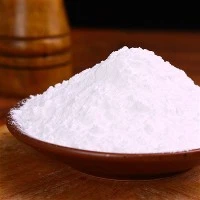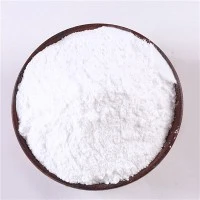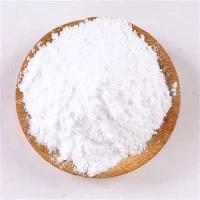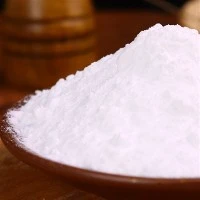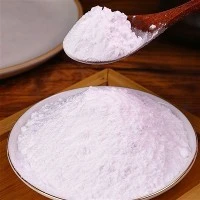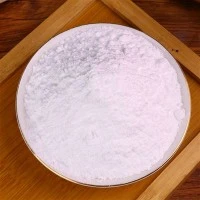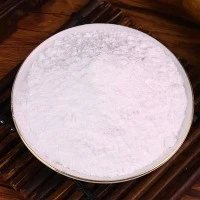
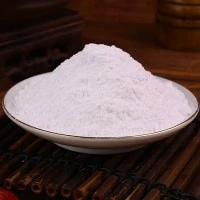
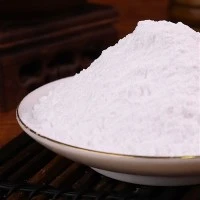
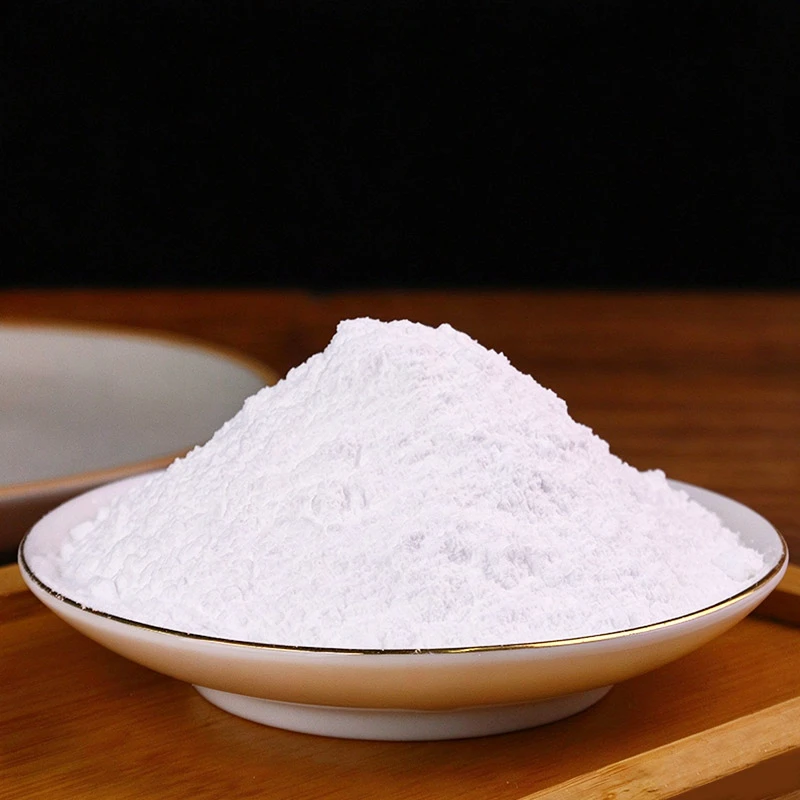
Glutathione (CAS No. 70-18-8) is a tripeptide composed of glutamic acid, cysteine, and glycine linked by peptide bonds. It has a molecular weight of 307.325 g/mol and a melting point of 189–193 °C. It is soluble in water, dilute alcohol, liquid ammonia, and dimethylformamide (DMF), but insoluble in alcohols, ethers, and acetone. Glutathione is relatively stable in its solid form; however, its aqueous solutions are susceptible to oxidation when exposed to air.
The active functional group in its molecular structure is the sulfhydryl group (-SH) on the cysteine residue. This unique structural feature enables glutathione to bind directly to free radicals, heavy metals (such as lead, mercury, and arsenic), and toxic substances (such as mustard gas), thereby playing an important role in detoxification.
Glutathione exists in two forms in biological systems: reduced glutathione (GSH) and oxidized glutathione (GSSG). Reduced glutathione predominates under physiological conditions and provides antioxidant and detoxification functions. Oxidized glutathione is formed when two molecules of reduced glutathione are linked by a disulfide bond. It can be converted back into reduced glutathione by glutathione reductase in the presence of NADPH.
Glutathione is the most abundant non-protein thiol (a compound containing an R-SH group) in animal cells, with intracellular concentrations ranging from 0.5 to 10 mmol/L. It is distributed throughout the cytoplasm and cellular organelles. In mammalian cells, glutathione exists predominantly in its reduced form at relatively high concentrations. It effectively eliminates reactive intermediates generated by normal cellular processes or external toxic agents, thereby protecting cells from oxidative and toxic damage.
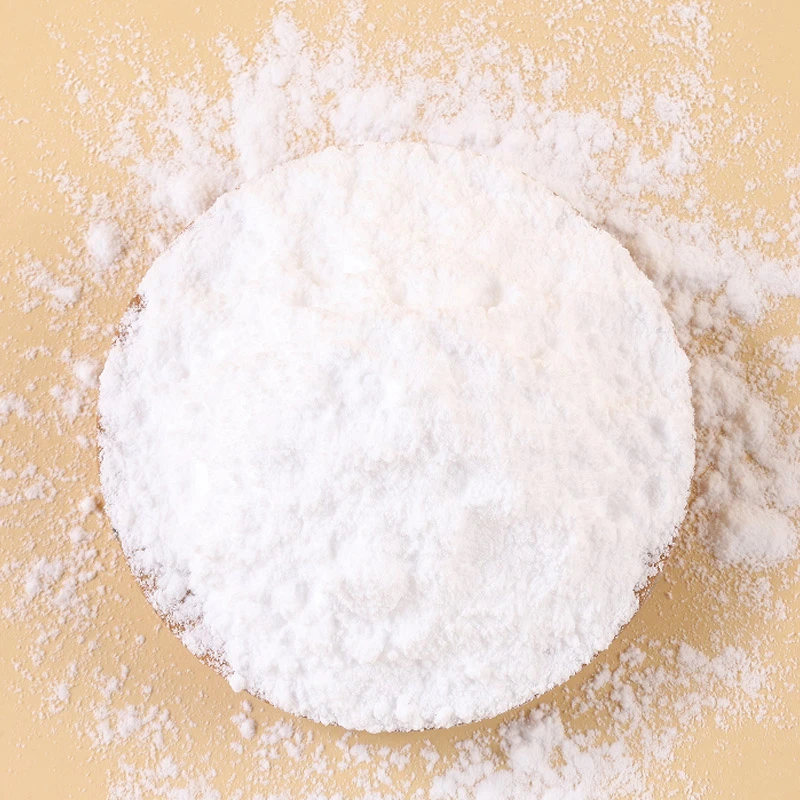
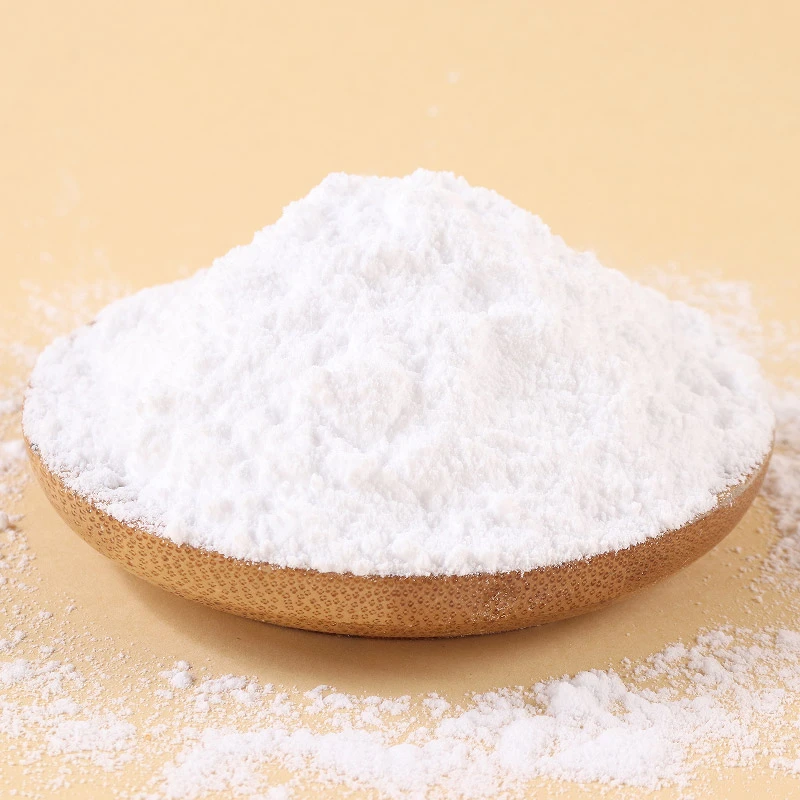
Product Description and Specifications
Glutathione is widely distributed in nature and is particularly abundant in animal liver, yeast, and wheat germ. Its distribution in human tissues also exhibits marked organ specificity. The highest concentrations are found in the liver and kidneys, followed by the lungs and small intestine, which is closely associated with the detoxification functions of these organs.
The glutathione content in human red blood cells is approximately 70 mg/100 red blood cells. This relatively high concentration helps maintain red blood cell membrane integrity and prevents the oxidation of hemoglobin to methemoglobin, which would otherwise impair its oxygen-carrying capacity.
Specifications
|
Parameter |
Specification |
|
English Name |
Glutathione |
|
Basic Composition |
Cysteine, glycine, and glutamic acid |
|
Primary Functions |
Antioxidant activity, detoxification through conjugation, skin brightening, and reduction of pigmentation |
|
Storage Conditions |
Store in a cool, dry place |
|
Purity |
99% |
|
Dosage Form |
Immediate-release oral dosage form |
|
Testing Standard |
Liquid chromatographic analysis |
|
CAS Number |
70-18-8 |
|
Chemical Formula |
C10H17N3O6S |
|
Molar Mass |
307.325g/mol |
|
Melting Point |
189 to 193 ℃ |
|
Solubility |
Freely soluble in water; insoluble in methanol and diethyl ether |
Physiological Functions
Glutathione is one of the most important endogenous antioxidants in the body. It directly neutralizes free radicals, including reactive oxygen species (ROS) and reactive nitrogen species (RNS), and protects sulfhydryl groups in proteins and enzymes from oxidation.
Its antioxidant mechanisms primarily involve two pathways:
1. Reduction of peroxides: Glutathione peroxidase (GPx) catalyzes the reduction of hydrogen peroxide (H2O2) to water (H2O), during which GSH is oxidized to GSSG. Glutathione reductase subsequently regenerates GSH from GSSG.
2. Protection of red blood cells: Glutathione helps maintain red blood cell membrane integrity and prevents hemoglobin from being oxidized to methemoglobin, thereby preserving its oxygen-carrying capacity.
Glutathione also helps regenerate other antioxidants, including vitamin C and vitamin E, by facilitating their reduction. In this way, it contributes to an integrated antioxidant defense network within the body.
Mechanism of Action
As an important intracellular metabolite involved in metabolic regulation, GSH serves as a cofactor for glyceraldehyde-3-phosphate dehydrogenase and as a coenzyme for glyoxalase and triosephosphate dehydrogenase. It participates in the tricarboxylic acid (TCA) cycle and carbohydrate metabolism and activates various enzymes, including sulfhydryl-dependent enzymes, thereby promoting the metabolism of carbohydrates, fats, and proteins.
A key structural feature of the GSH molecule is its active sulfhydryl group (-SH), which is its principal functional group. This group participates in numerous essential biochemical reactions in the body, protecting sulfhydryl groups in vital enzymes and proteins against oxidation and inactivation, thereby supporting energy metabolism and cellular utilization of nutrients.
In addition, through its sulfhydryl group, GSH binds to free radicals in the body and can directly reduce them to corresponding acidic compounds.
Major Applications
Glutathione has a wide range of clinical applications. In red blood cells, its active functional groups help maintain hemoglobin in a reduced state, enabling it to continuously perform its oxygen-transport function.
By eliminating free radicals in the body, glutathione may help prevent skin aging and pigment accumulation, contributing to a healthy, radiant complexion. It may also help reduce the occurrence of tumors and atherosclerosis.
Other reported clinical applications of glutathione include the treatment of liver diseases and kidney diseases, chemoprotection, and the prevention of vascular dementia.
Food Industry Applications
Glutathione possesses anti-aging properties and is sometimes referred to as a longevity factor. It is widely used as a bioactive additive in the food industry, including in the processing of flour-based products, meat, fish, dairy products, and infant foods. It is also extensively used in the health supplement industry.
Glutathione can help inhibit pigment accumulation and is used in vegetables and fruits to effectively prevent enzymatic browning and discoloration.
Analytical Methods
Various analytical methods are available for glutathione determination. Commonly used techniques include iodometric titration, the DTNB (Ellman's reagent) method, the sodium nitroprusside method, fluorometric analysis, the alloxan method, and high-performance liquid chromatography (HPLC).
Each method has its own advantages. The selection of an appropriate analytical technique for GSH determination should be based on actual testing requirements, with consideration given to sensitivity, accuracy, and suitability for the intended application.
High-Performance Liquid Chromatography (HPLC)
Principle: High-performance liquid chromatography separates individual components through their differential distribution between the stationary phase and mobile phase. Separation is based on differences in partition coefficients, affinity, molecular size, adsorption capacity, and other physicochemical properties of the solutes.
Pharmacological Effects
Glutathione is a sulfhydryl-containing tripeptide with important physiological activities in the human body, including the regulation of redox systems, enzyme activation, and detoxification.
Glutathione exists in both reduced and oxidized forms in vivo. Its biologically active form, reduced glutathione (GSH), participates in the tricarboxylic acid (TCA) cycle and carbohydrate metabolism, supports the production of high-energy compounds, and functions as a coenzyme.
Reduced glutathione serves as a cofactor for glyceraldehyde-3-phosphate dehydrogenase and as a coenzyme for glyoxalase and triosephosphate deaminase. It also activates various sulfhydryl-dependent enzymes (SH enzymes), promoting carbohydrate, lipid, and protein metabolism while regulating metabolic processes associated with cell membranes.
Furthermore, reduced glutathione can bind to a variety of exogenous and endogenous toxic substances, converting them into less toxic compounds and facilitating their detoxification and elimination.
Packaging, Transportation, and After-Sales Service
Packaging
Glutathione is packed in sealed, light-resistant aluminum foil bags as the primary packaging, with additional moisture-proof and oxygen-scavenging protection. Bulk products are packed in reinforced, heavy-duty fiberboard drums as the outer packaging.
Standard packaging specifications are 1kg/bag and 25kg/drum. Smaller samples can be repackaged according to customer requirements.
The packaging provides an effective barrier against light, moisture, and oxygen, helping to delay oxidation and loss of product activity. Customized packaging specifications are available. A complete documentation package, including the Certificate of Analysis (COA) and Material Safety Data Sheet (MSDS), is supplied with each shipment.
Transportation
The product must be protected from light and moisture throughout transportation. Handle with care during loading and unloading, and avoid compression, direct sunlight, rain exposure, and high temperatures. Do not transport together with toxic or odorous goods.
During periods of high ambient temperatures, cold-chain solutions with ice-pack protection can be arranged to help maintain product stability and activity.
A full range of domestic express delivery, full-truckload transportation, and international freight services is available. Shipment tracking information is updated in real time. Compensation is available in the event of lost shipments, helping ensure safe and reliable delivery.
After-Sales Service
Upon receipt, customers are advised to promptly inspect the outer packaging and product condition.
Quantity discrepancies: Any discrepancies must be reported within 3 working days of receipt.
Quality-related issues: Any quality concerns must be reported within 15 days, accompanied by supporting documentation or evidence.
Product quality and packaging issues: Claims involving non-conforming product quality, damaged packaging, or leakage will be handled through our after-sales service team.
We are committed to providing compliant after-sales support and prompt communication. Our technical team is also available to provide guidance on product storage and use, ensuring reliable support throughout the customer relationship.
Hot Tags: food-grade glutathione (cas no. 70-18-8), China food-grade glutathione (cas no. 70-18-8) manufacturers, suppliers, factory